
Wetlands
Waterbirds at first light
Early mornings at the wetlands offered the clearest views of waterbirds feeding in shallow water. Recording the order of arrival helped build a picture of daily movements across the reed beds.
A birding season across South Africa's grasslands, coastline and bushveld, documented species by species and place by place.

South Africa offers an exceptional range of habitats within a relatively compact area. In the 2009-2010 season, the journey was planned to move through contrasting environments, from open grassland and wetlands to coastal fynbos and dense bush, so that each region could be observed at the times of year when its birdlife is most active.
Two moments from the season that shaped the way the trip was recorded.
Early mornings at the wetlands offered the clearest views of waterbirds feeding in shallow water. Recording the order of arrival helped build a picture of daily movements across the reed beds.

Coastal stops revealed a different community of birds, shaped by the cold currents and rocky headlands. Sea-watching sessions were kept short and repeated at different tides.
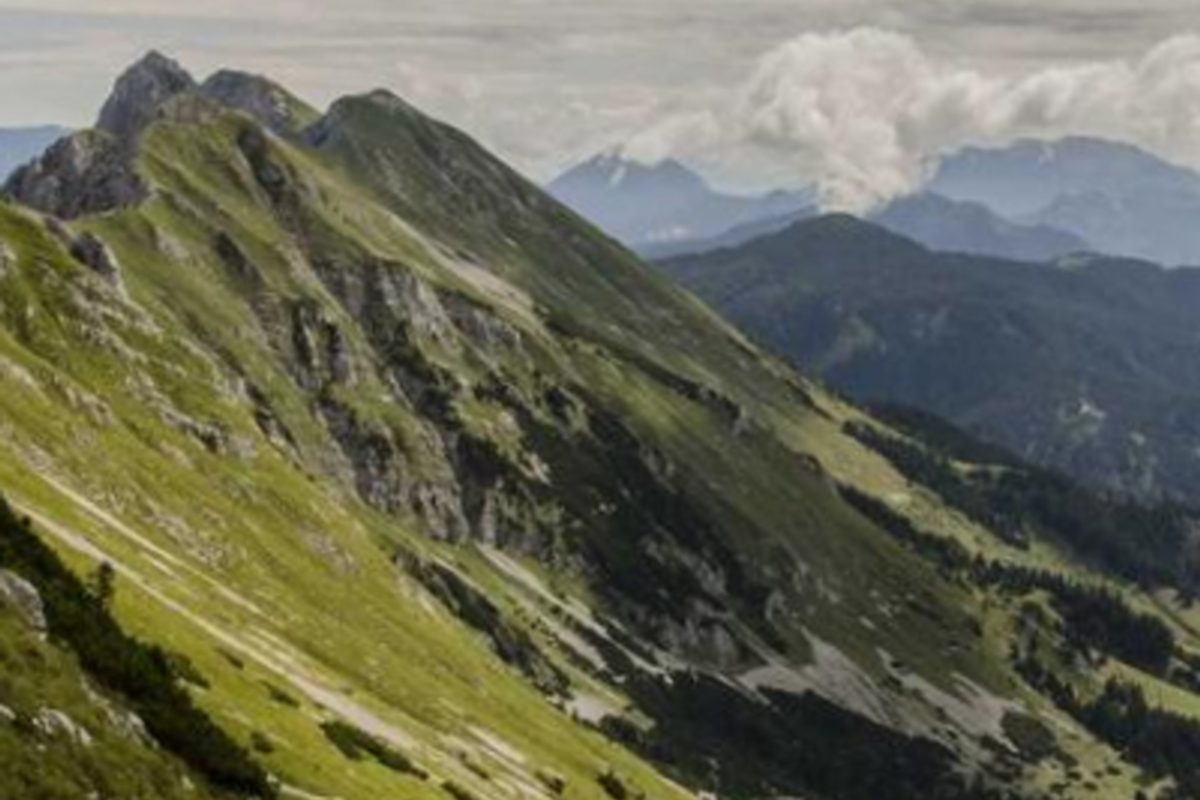
The bushveld is quieter than it first appears. Birds here are often heard before they are seen, and patience at a single waterhole can be more productive than covering long distances. Notes from these stops focus on calls, perching habits and the mixed flocks that move through the acacia woodland.
Read the previous journeyHow the journey unfolded from one region to the next.
Routes were set around known birding areas, with flexible days left for weather and local advice.
The journey crossed grassland, wetland and bush, with each stop recorded in the same format for comparison.
Field notes were reviewed to check identifications and to summarise patterns seen across the route.
Changing habitat changed the birdlife completely, even over short distances.
The first and last hours of daylight were consistently the most rewarding.
Written observations made later identification and comparison far more reliable.
The route combined grassland, wetland, coastal and bushveld habitats, chosen to show a wide range of South African birdlife.
Key areas were planned beforehand, but days were kept flexible so that weather and local sightings could guide the route.
Each stop was noted with date, location, habitat and species seen or heard, using a consistent format throughout the season.
Read more about this season and follow the other journeys documented on this site.
Visit the blog